
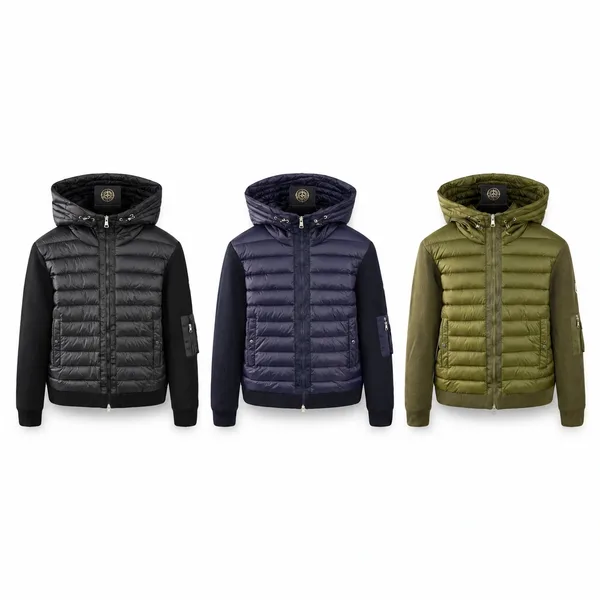
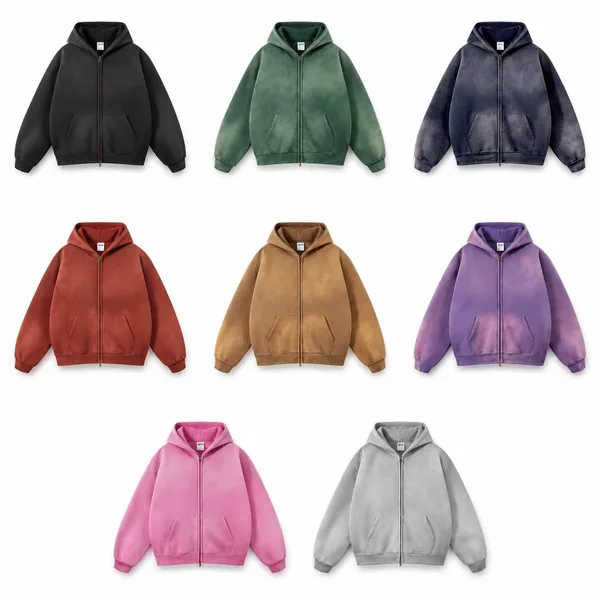
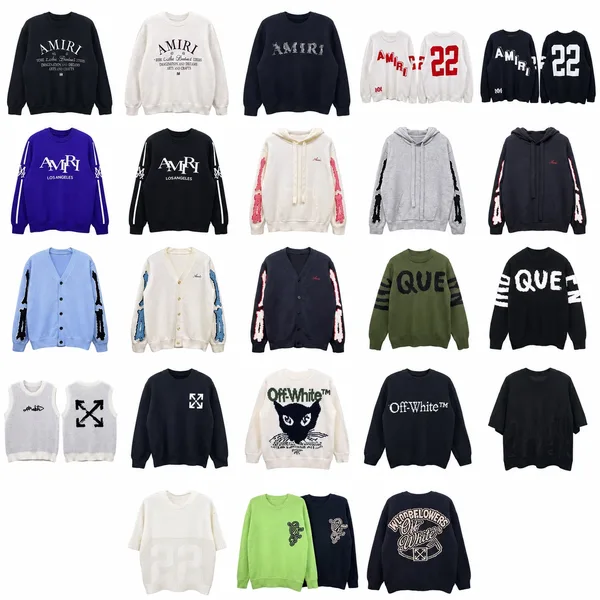
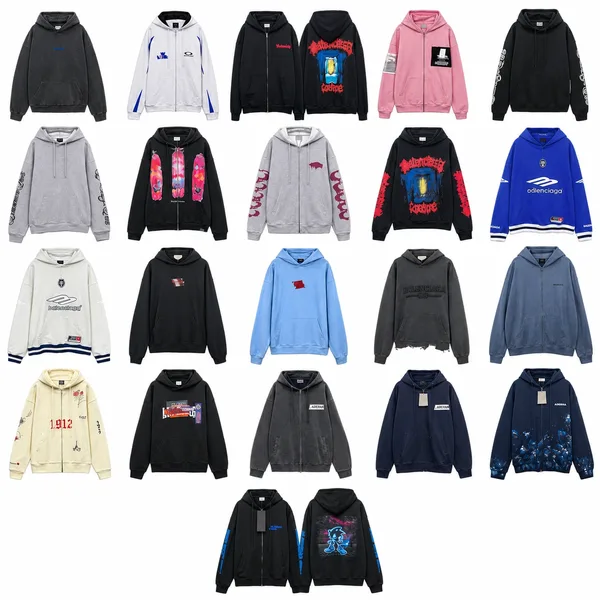
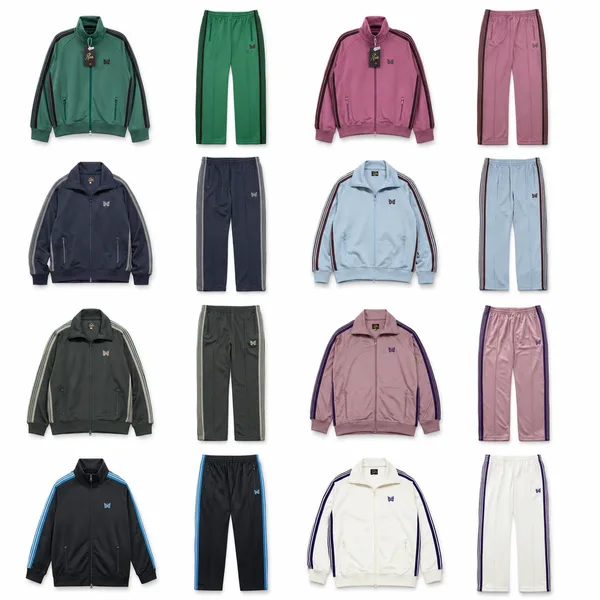
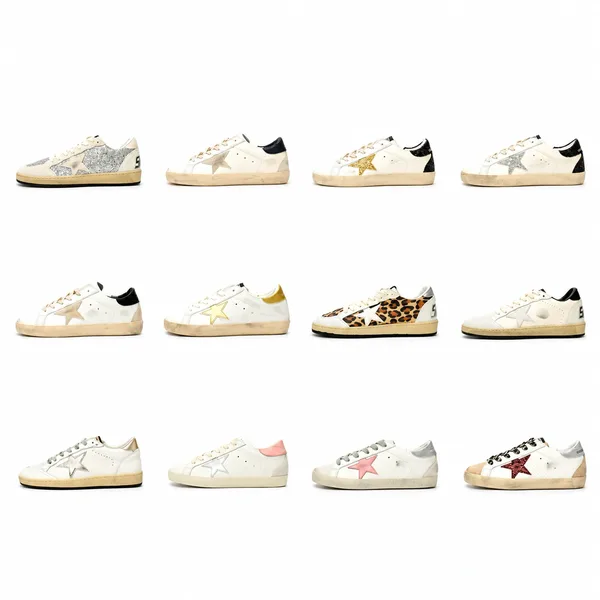
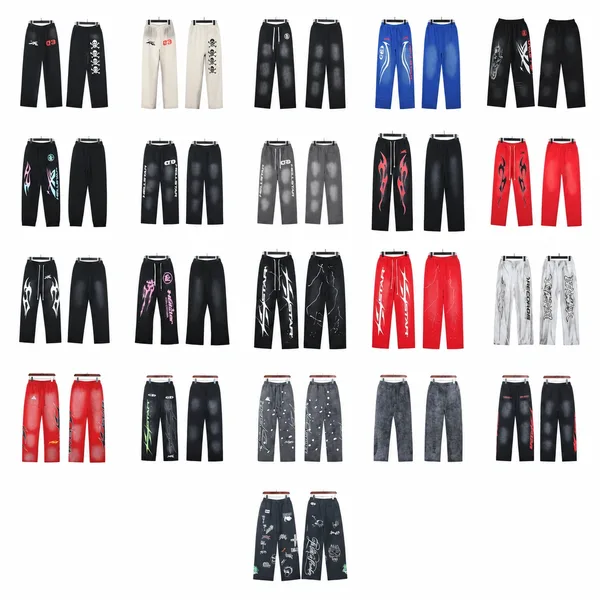
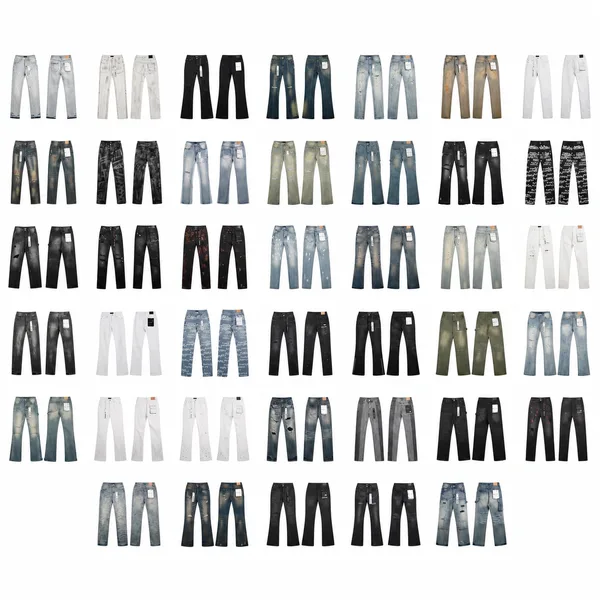
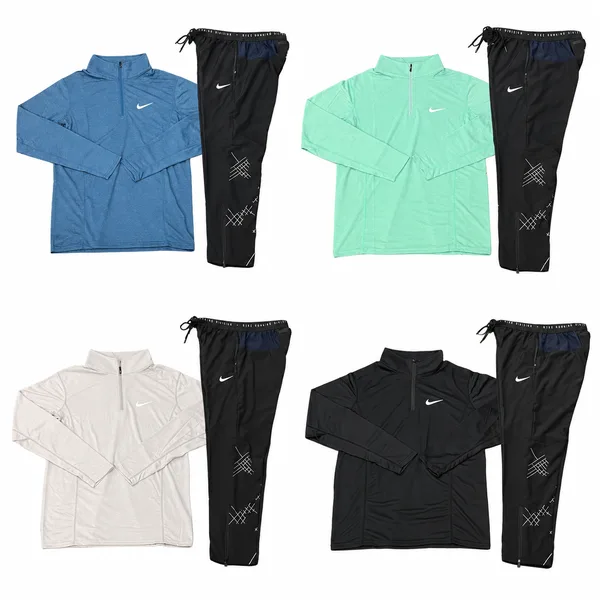
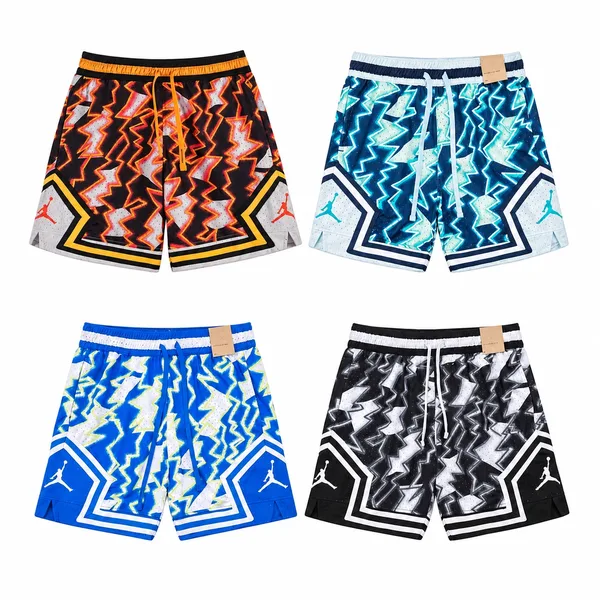
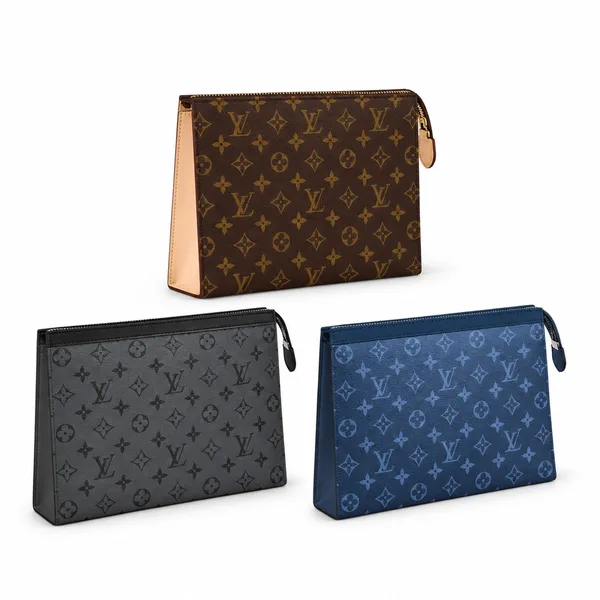
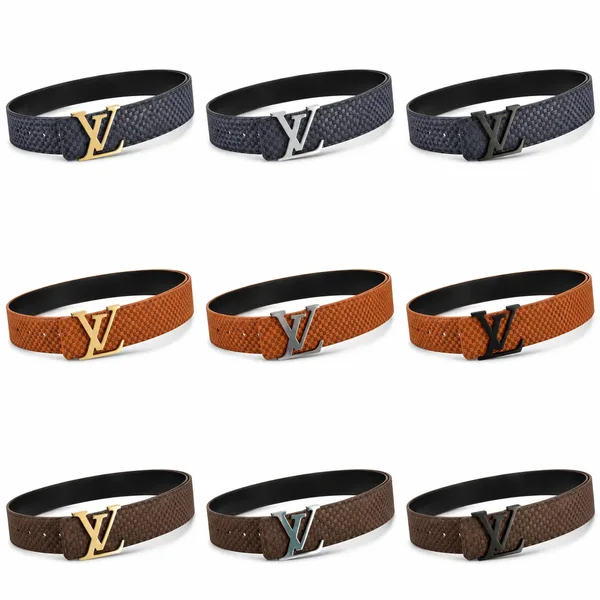
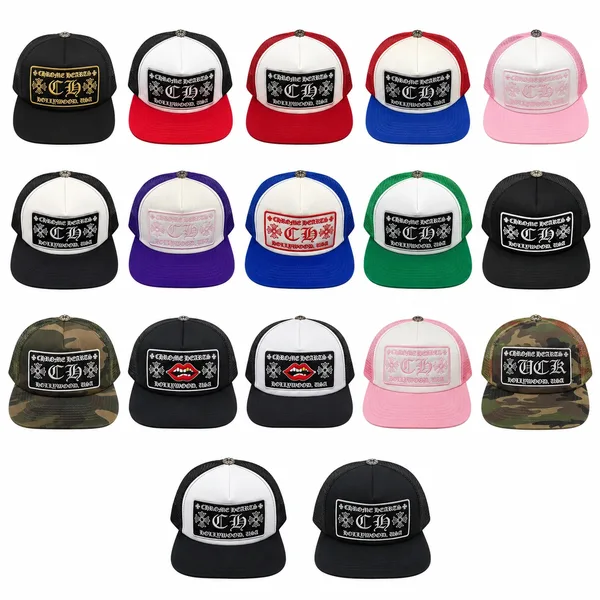
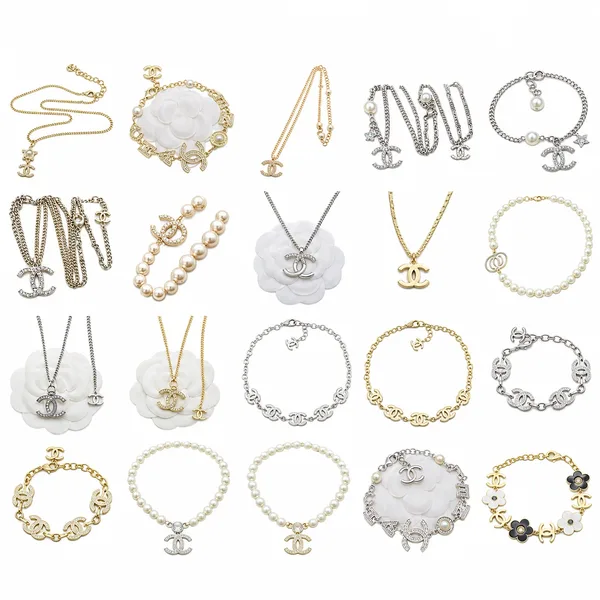
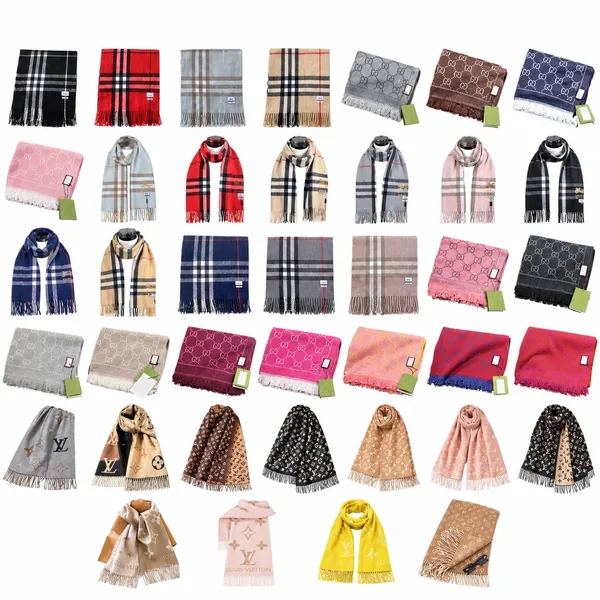
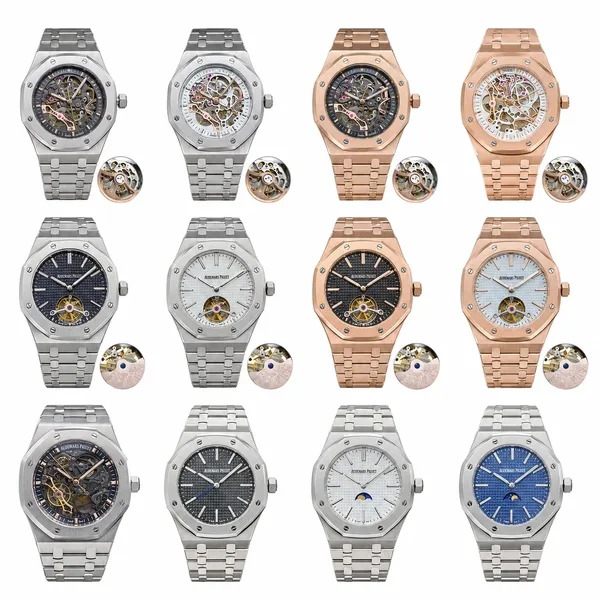
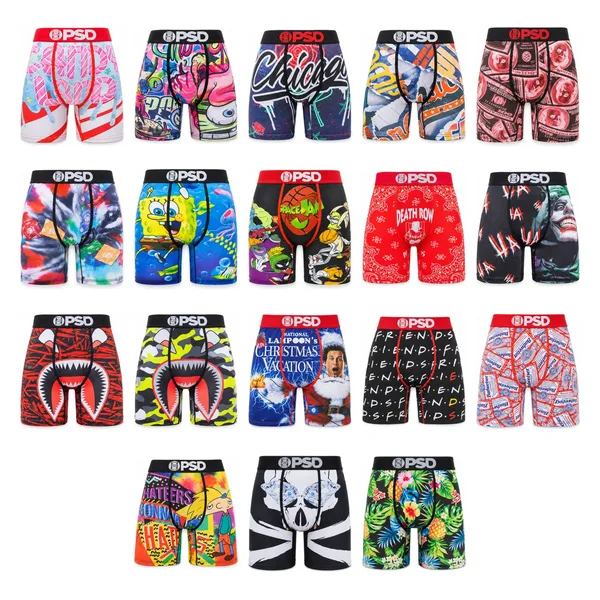
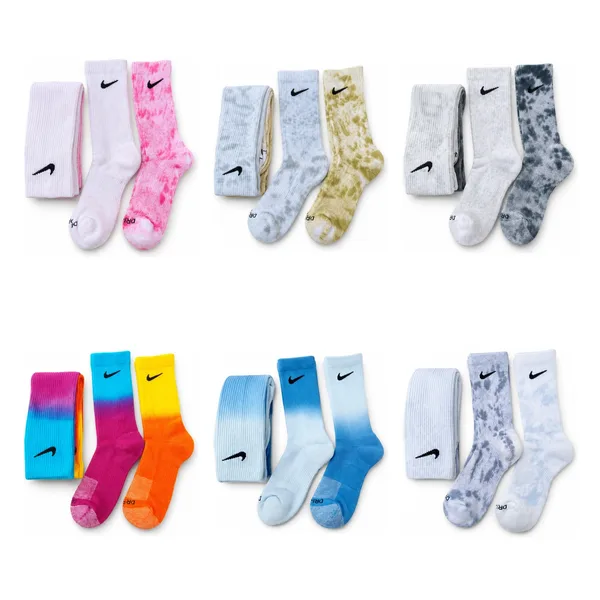
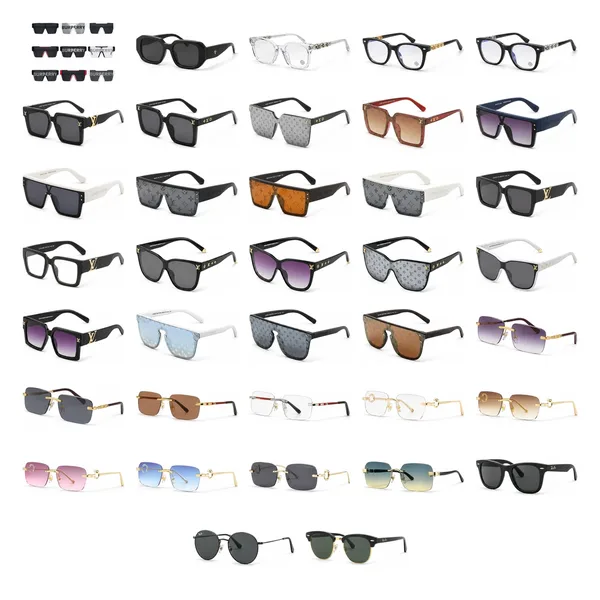
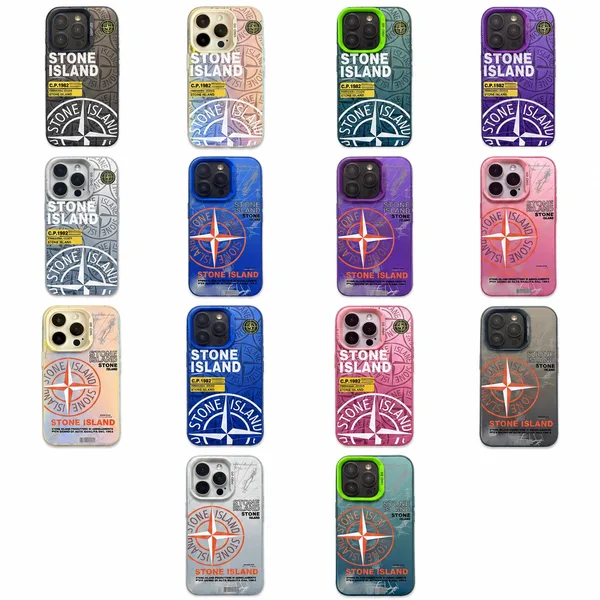
Explore the HipoBuy spreadsheet by category, compare product photos and prices, and open the item you want in HipoBuy. From a new layer to an everyday bag, keep the exact option in view while you put your shortlist together.
Use this guide whether you are collecting your first few finds or returning to a saved list. You do not have to begin again every time something changes. You need to identify which part of your choice changed and whether the other information still belongs to it.
Begin with the purchase you would still want tomorrow
Describe the job of the item before considering a particular design. Perhaps you need a shirt to wear with two pairs of trousers you already own. Perhaps your current bag cannot hold your daily contents. A useful description gives you a reason to reject an attractive but unsuitable candidate.
Then decide what would stop the purchase. For clothing, it might be an unclear length or a cut that does not work with your existing outfit. For a bag, it might be an opening that will not fit the object you carry. These are questions about your needs, not a universal ranking of products.
Give each saved item one reason for being there. If you cannot distinguish the purpose of several near-identical candidates, compare those candidates before adding more. A shorter basket can represent a better-resolved decision without implying that fewer items are always better.
A concrete find: graphic design is only the beginning
The product catalogue identifies a white pocket T-shirt. That gives you a specific design to examine rather than an anonymous shirt image. Start by deciding whether the pocket design suits what you would wear, then look at the information needed for your preferred fit.
Explore the white pocket T-shirt
A product title helps identify the piece; it does not choose your size. Compare relevant garment measurements with a shirt that already works for you. Keep the measuring method consistent: a flat width and a measurement around your body are not interchangeable figures.
The product title also does not establish fabric composition, comfort after a day's wear or washing performance. Treat those as separate questions. Choosing a design you like is worthwhile, but it should not silently settle details you have not checked.
Keep three decisions separate
The item: Do you want this particular product for a clear purpose? This is where design, function and your existing belongings matter.
The option: Which size, colour, quantity or version are you considering? A product family can contain options that do not share every measurement or price.
The purchase: What are you authorising, what does the amount cover and what remains to be arranged? A saved link is not a payment or a shipment.
When something goes wrong, return to the relevant decision. A changed colour selection needs an option check. A different product at the destination needs a new item comparison. An unclear payment status needs attention to that transaction, not another search for the same shirt.
Choose the guide that answers your next question
The main HipoBuy spreadsheet guides cover the same shopping journey from different angles:
| Your question | Where to continue |
|---|---|
| Which collection is useful for my shopping? | Best HipoBuy Spreadsheet |
| Why does a saved entry open something different? | HipoBuy Spreadsheet Links |
| What should I check between selection and shipping? | HipoBuy Spreadsheet Guide |
| What do other people's experiences actually show? | HipoBuy Spreadsheet Review |
| How should I assess a suspicious request or uncertain transaction? | HipoBuy Spreadsheet Safe |
You can enter at the question you have now. Reading a review does not remove the need to identify your option, and following a shopping guide does not make an unexpected request for private information trustworthy.
Use a basket note that survives a return visit
Keep the product destination, the option and your reason for considering it together. Add the unresolved question in plain language: “Does this length work with my jacket?” is more useful than “check later.” If you record an amount, include the currency and what it describes.
Imagine returning to two saved shirts after a week. One opens the same design but defaults to another colour. The other opens a different design altogether. In the first case, check the intended option and its current information. In the second, do not carry the old measurements across to the replacement just because it occupies the same saved address.
There is no need to erase a useful earlier observation. Keep it associated with the item it described, and make the changed choice clear. This prevents a basket assembled over several visits from becoming a mixture of incompatible details.
Look at pictures with a question in mind
A broad product photograph helps you recognise a design. A detail view may help you inspect a visible feature. A measurement photograph needs clear endpoints to answer a size question. Asking what you need to see is more effective than assuming that more pictures necessarily mean fewer uncertainties.
When looking at another person's images, establish whether they show the same option. Even a matching design does not make a photograph an inspection of your unit. The QC photo guide explains how to keep the question, view and article connected.
For dimensions, use the size guide. A comment that something fits well is a report about that person's preference; it is not your garment measurement.
Leave room for the parcel decision
The amount beside a product should not automatically become your assumed delivered total. Keep item selection separate from the costs and conditions of the eventual parcel. If you change the contents, the earlier shipping comparison may need updating too.
Do not assign an exact package weight from how heavy a garment looks. Nor should a delivery story for another destination become your expected deadline. Use the shipping guide when you have the relevant parcel inputs, and compare amounts that describe the same scope.
Questions before you commit
Is this a downloadable spreadsheet or a way to browse products?
This is a browsable product catalog with category pages, item photos, prices and links to HipoBuy. Use your preferred note format to keep track of the products and options you choose.
Does a current year in a spreadsheet title mean every entry is current?
No. Reopen the items you intend to use. A collection's title does not establish when a particular option, measurement or destination was last checked.
Can I use the same approach for watches or accessories?
Keep the distinction between item, option and purchase, but change the product questions. Watch dimensions and functions require different information from shirt fit. Do not apply a clothing example as evidence about another category.
When is my basket ready for the next step?
When you can identify each intended option, explain why you want it and distinguish the resolved questions from those that could still change the purchase. You do not need certainty about every possible outcome, but you should not mistake an unanswered essential question for a positive answer.